In our previous articles, we explored the green effects of cleaning, aftermarket protectors, and natural versus synthetic fibers. Each of these topics highlighted how everyday decisions affect the environment through pollution, microplastics, and product longevity. In this final article of the series, we turn our attention to the lasting impact of quality construction—examining how investing in well-made, long-lasting furniture supports both sustainability and a greener future.
Your furniture is only as good as its construction.
Quality furniture is made from solid hardwood frames such as maple, oak, or ash—avoiding softwood structural construction. Quality construction will use doweled or double-doweled joints, or corner blocks. Both of these methods strengthen the connecting pieces of wood to form a solid frame, much stronger than glue or staples alone. You can also look for the Forest Stewardship Council (FSC) certification, which ensures the wood is sustainably harvested.
What about the contents of the cushion?
The most common option is high-density foam (lasting 5–10 years), which endures much longer than low-density foam (3–5 years) before it starts to lose its form. However, when it comes to disposal, some foams can take centuries to degrade. Down cushions are the most common eco-friendly option, as they come as a byproduct of the duck or goose meat industry (though some may not appreciate that). Down is considered a mark of quality in cushions. That said, look and feel are important considerations when choosing between down and foam. Down cushions need to be fluffed periodically to maintain their appearance and volume. From an eco perspective, once again, natural materials win over synthetic for longevity and biodegradability.
Important points to consider when choosing style
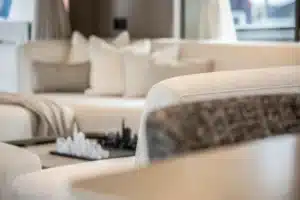
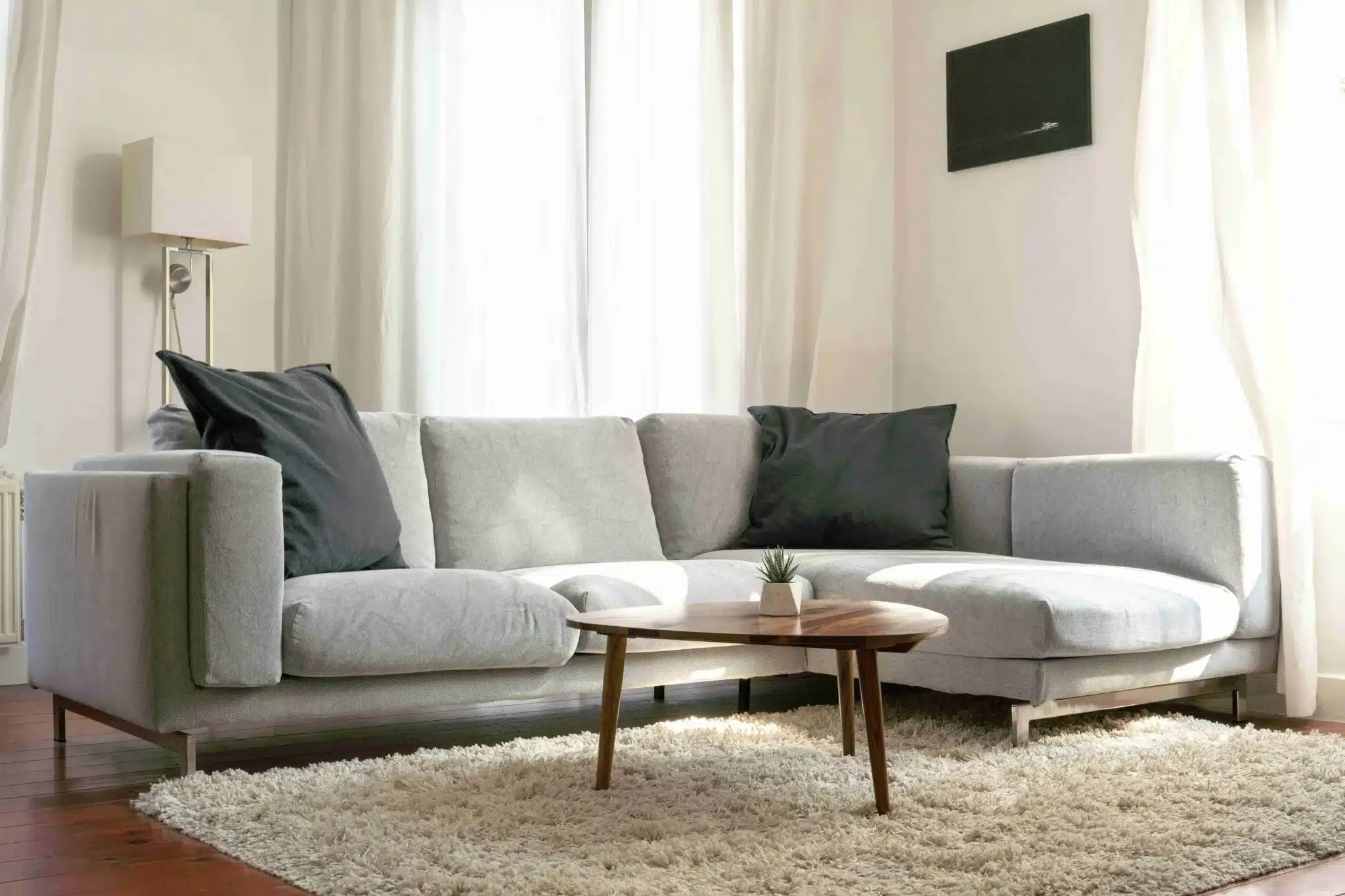
Ensure that the back and bottom cushions on a couch or chair are not attached. Both should be loose pillows so you can flip and rotate them to distribute wear evenly. This also allows you to flip them in case of a spot or stain, prolonging the need for cleaning.
Bottom cushions: Avoid purchasing a ¾-wrapped cushion—meaning if you flip the cushion, you’ll see a different material on the underside. This is often done with more expensive fabrics or leather to give the appearance of a higher-quality couch at a lower price. However, it minimizes the longevity of the furnishing and becomes a less eco-friendly option, ultimately more costly due to a shorter lifecycle and more furniture ending up in landfills.
A few simple points to remember
- Weight can tell you a lot about the quality of a furnishing. Heavier materials are typically built to last.
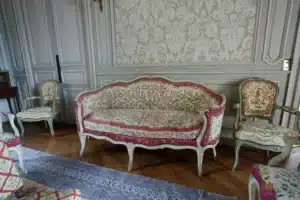
- “They don’t make them like they used to” is often true—refurbishing old pieces and saving them from the landfill is a great eco option.
- Buy from quality craftsmen or reputable companies so you know you’re getting true quality.
- Natural construction, fillers, and fabrics can result in generational pieces.
As a summary of these four articles regarding the green effects of furnishing, construction, and maintenance:
Buy quality. Buy natural. Have your furniture professionally cleaned every 2–3 years. Apply high-quality aftermarket protectors, such as Fiber Protector America, a leader in both the protection and ecological consideration fields.
All these factors affect both our personal and global environments, maximizing the lifecycle of beautiful furnishings while minimizing landfills, pollution, and microplastics in our air and water. If you buy right and maintain properly, you will enjoy beautiful, clean, and healthy long-lasting furniture.