A Sustainable Balance Between At-Home Care and Professional Maintenance
Fine furnishings are investments, not disposable elements. While professional cleaning and protection are essential to preserving these materials, thoughtful DIY maintenance can play a supporting role.
The challenge arises when DIY becomes the entire strategy.
Premature Replacement: The Hidden Environmental Cost
Improper at-home cleaning, especially on natural fibers such as wool, silk, or sisal, can lead to texture distortion, dye damage, shrinkage, and accelerated wear. The most common DIY mistakes include over wetting, aggressive scrubbing, and using incorrect cleaning chemistry.
The result? Costly damage that increases landfill waste and leads to premature replacement.
Where DIY Makes Sense
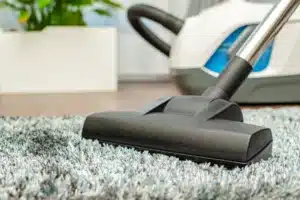
DIY efforts are most effective when limited to immediate spill response and routine dry soil removal.
But several key elements are necessary for success:
- Prompt spot treatment helps prevent permanent staining.
- Professional-grade spotting kits paired with expert guidance from a trusted service provider significantly reduce the risk of fiber damage.
- Planned protection, such as professionally applied treatments like Fiber ProTector America, improves stain resistance and supports safer at-home spot cleaning.
When applied correctly, protectors extend the lifespan of fine furnishings while preserving their look and feel.
The Importance of Professional Partnership
Many carpet manufacturers require professional cleaning every 12–24 months to maintain warranty coverage. In the event of a claim, proof of service is often required — and improper DIY methods are easily identified through fiber testing.
Designers and high-end retailers serve their clients best by recommending trusted care specialists who understand the specific furnishings they sell.
The Real “Green Effect”
True sustainability is not about cleaning less — it is about maintaining intelligently.
Invest in quality materials. Protect them professionally. Maintain them appropriately. Clean spills immediately and correctly.
The most meaningful environmental impact homeowners can make is extending the life cycle of what they already own. Longevity reduces waste, limits microplastic shedding, and preserves the integrity of thoughtfully designed interiors.
In the end, DIY works best not as a replacement for professional care — but as part of a balanced, informed maintenance plan.